

2026 Summer School on ‘ Forensic Botany and Mycology’ (Modena, 6-9 July)
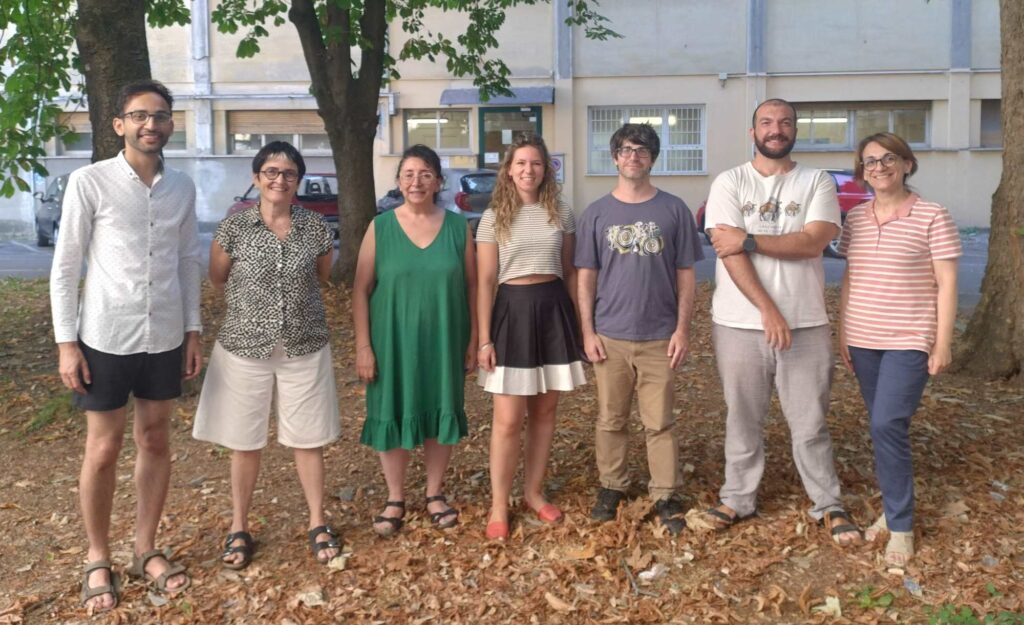
From 6 to 9 July 2026, the Laboratory of Palynology and Palaeobotany at the University of Modena and Reggio Emilia successfully hosted the 2026 International Summer School ‘Forensic Botany and Mycology’, organized in collaboration with the University of Genoa within the framework of the European Marie Skłodowska-Curie Doctoral Network Natural Traces in Forensic Investigations (MSCA DN 2022, Grant Agreement No. 101120165;
https://naturaltraces.com/home/; https://forensic-workshops.org/). continua…
The Summer School represented the second edition of a training programme launched in 2025
with the workshop ‘Introduction to Forensic Palynology’ (Modena, 9–13 June 2025). Together,
these two initiatives have provided doctoral candidates from the international Natural Traces
network with advanced interdisciplinary training on the identification, analysis, and interpretation of
plant and fungal traces for forensic investigations. Combining lectures with extensive hands-on
activities, the programme enabled participants to develop specialist expertise in the collection,
examination, and interpretation of botanical and mycological evidence in criminal casework. The Summer School was organized by LPP with the scientific contribution of the Mycology
Research Group of the Department of Earth, Environmental and Life Sciences (DISTAV),
University of Genoa, coordinated by Prof. Mirca Zotti.
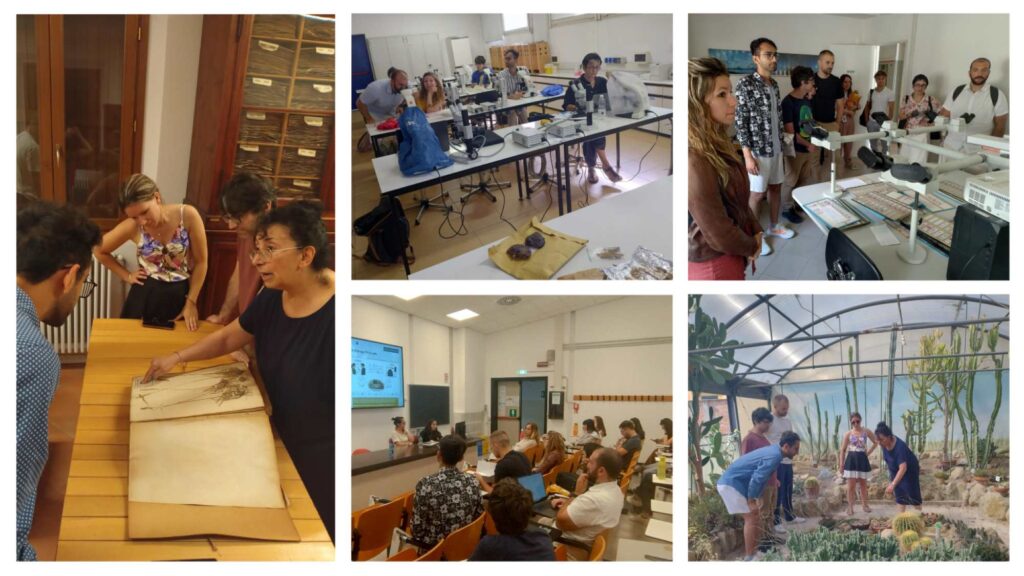
The programme combined theoretical lectures, practical laboratory sessions, and educational visits
to the Institute of Legal Medicine of the Modena University Hospital and the MuseOmoRE
Botanical Garden. Throughout the course, participants explored the forensic value of pollen, fungal
spores, seeds, fruits, and other plant remains as biological trace evidence capable of contributing
to crime scene reconstruction, the interpretation of biological material transfer, and the association
of people, objects, and locations. Specialist seminars covered topics including poisonous plants, forensic botany, forensic palynology, and forensic mycology, complemented by microscope-based practical sessions.
Participants gained both the theoretical background and practical skills required to recognize and
interpret the principal types of pollen and fungal spores encountered in forensic investigations,
deepening their understanding of their evidential value in judicial contexts.
The training programme was further enriched by contributions from Prof. Rossana Cecchi,
Department of Biomedical, Metabolic and Neural Sciences and Director of the Unit of Legal
Medicine at the University of Modena and Reggio Emilia, Prof. Valentina Bugelli from the Institute
of Legal Medicine at the University of Parma, and technical staff from both Legal Medicine Units,
who presented and discussed real forensic case studies, providing participants with valuable
insight into the practical application of botanical and mycological evidence in criminal
investigations. The Summer School further strengthened the collaboration between the partner institutions of the Natural Traces project and contributed to the training of the next generation of forensic scientists
by promoting an interdisciplinary approach that integrates plant sciences, mycology, palynology,
and forensic medicine.
https://www.magazine.unimore.it/site/home/notizie/articolo820072190.html