News
2025 Summer School on ‘Introduction to Forensic Palynology’ (Modena, 9-13 June)
03/07/2025
details
2025 Winter School of Palynology (Modena, 22-24 January)
03/07/2025
details
Uno studio LPP sulla vite selvatica della Riserva del Crati (Calabria) scelto come cover story sulla rivista Quaternary MDPI
03/11/2023
details
Un recente lavoro di LPP selezionato come cover story sulla rivista Quaternary MDPI
16/12/2022
details
La più antica uva della Valpolicella ha 6.300 anni: anche il LPP di Unimore coinvolto nella scoperta
14/10/2021
details
Link utili
EU project
NaturalTraces
 Partecipazione di LPP al progetto RESPIRE finanziato da NGS

Laboratory of Palynology and Palaeobotany (pagina dei Laboratori di ricerca del DSV)
Department of Life Sciences (DSV)
Corso di Laurea Magistrale in Bioscienze (LM-6)
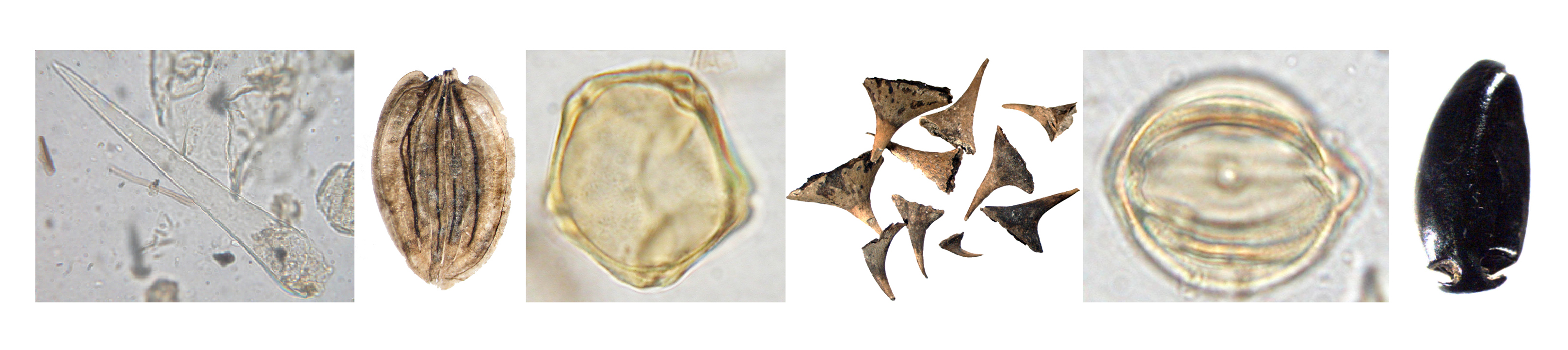
The laboratory of Modena is an university centre of research and teaching of Palynology, Archaeobotany and Botany. Since the first steps, starting in 1981, the researches have been carried out in different fields with an interdisciplinary perspective combining biological sciences with geology, aerobiology and archaeology. The laboratory was an aerobiological monitoring centre.
Archaeobotany is currently the focus of its activity with studies of Bronze age, Roman and Mediaeval archaeological sites of (northern to southern) Italy, Sahara and Kurdistan.
Though the priorities have changed in the years, main topics under investigation are past climate oscillations and environmental transformations, cultural landscape and importance of plants in cultural evolution, especially from the Lateglacial to the present and in the Mediterranean area.
Modena proposed and coordinated the project PaCE with the main idea of creating an interdisciplinary cooperation on the scientific and humanisticcultural heritage of Europe, based on the links among Plants and Culture.
Laboratorio di Palinologia e Paleobotanica - Dipartimento di Scienze della Vita
Il Laboratorio di Modena è un centro universitario di ricerca e didattica in Palinologia, Archeobotanica e Botanica. Sin dai primi passi, mossi nel 1981, le ricerche sono state condotte in diversi campi secondo una prospettiva interdisciplinare che è propria della materia che permette di coniugare tematiche delle scienze biologiche con quelle della geologia, aerobiologia e archeologia.
Il laboratorio è stato un centro di monitoraggio aerobiologico.
La ricerca in corso è prevalentemente focalizzata sull'Archeobotanica, e include studi su siti del bronzo, periodo romano e medievale, localizzati nella penisola italiana (dal sud al nord), Sahara e Kurdistan.
Sebbene le priorità siano cambiate negli anni, i temi che hanno da sempre guidato le ricerche sono lo studio dei cambiamenti climatici e delle trasformazioni ambientali nel tempo, il paesaggio culturale e il valore delle piante per la nostra evoluzione culturale.
La cronologia va dal tardoglaciale al presente, soprattutto per paesi che ruotano attorno al bacino del Mediterraneo.
Modena ha proposto e coordinato il progetto europeo PaCE nato dall'idea di creare una cooperazione interdisciplinare per la ricerca dell'eredità culturale scientifica e umanistica d'Europa, basata sul legame imprescindibile tra Piante e Cultura.
sito curato da Paola Torri, ultimo aggiornamento 02 luglio 2025/ webmaster for LPP is Paola Torri, last update July 08 2025

